Key design directions spotted in Milan
Technology that invites interaction
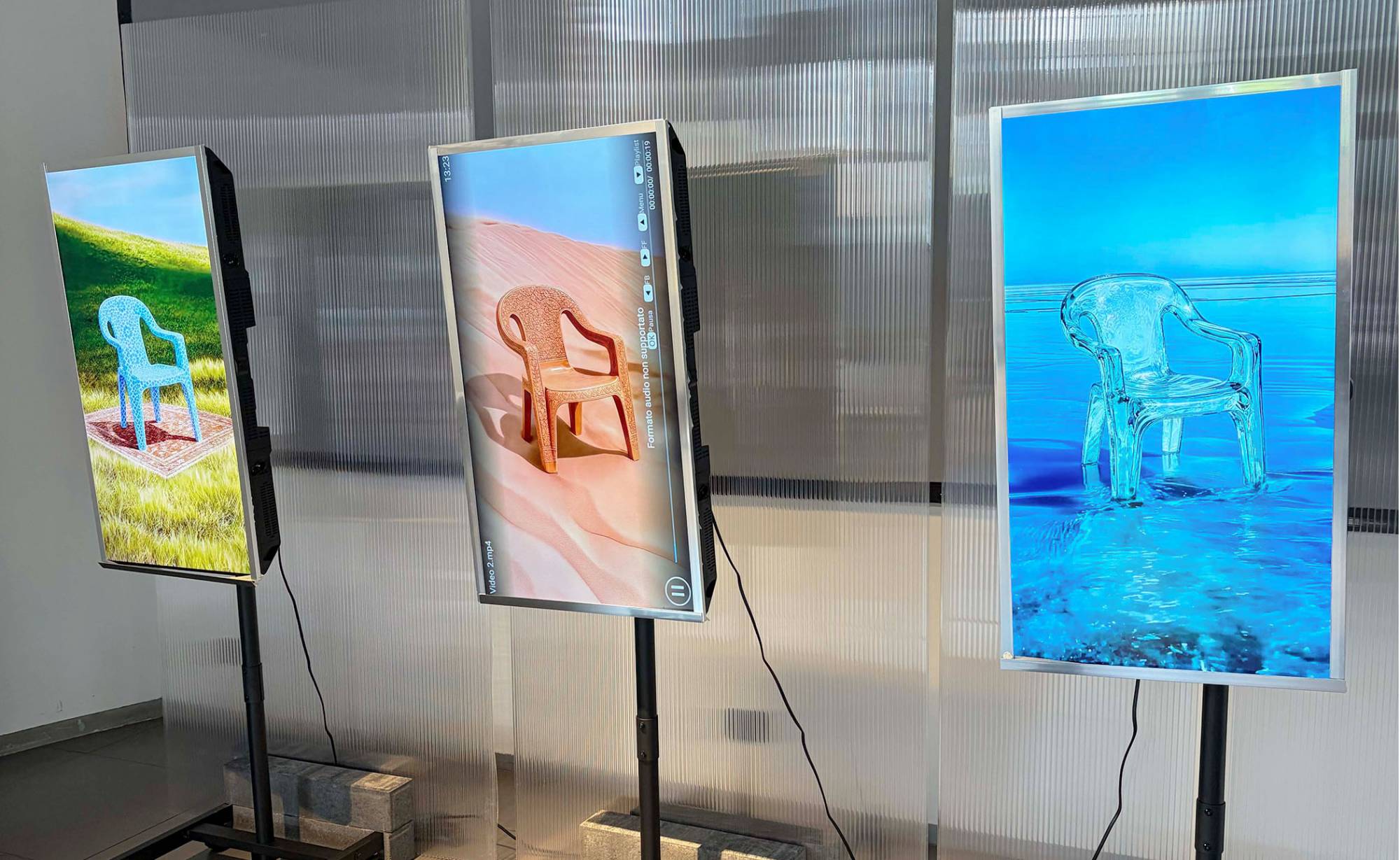
From AI-powered robots to seamless self-service and customisation, tech is no longer just functional - it’s part of the experience. The best solutions didn’t feel digital-first, but human-centred, enhancing how customers explore and engage.
Statement elements are back
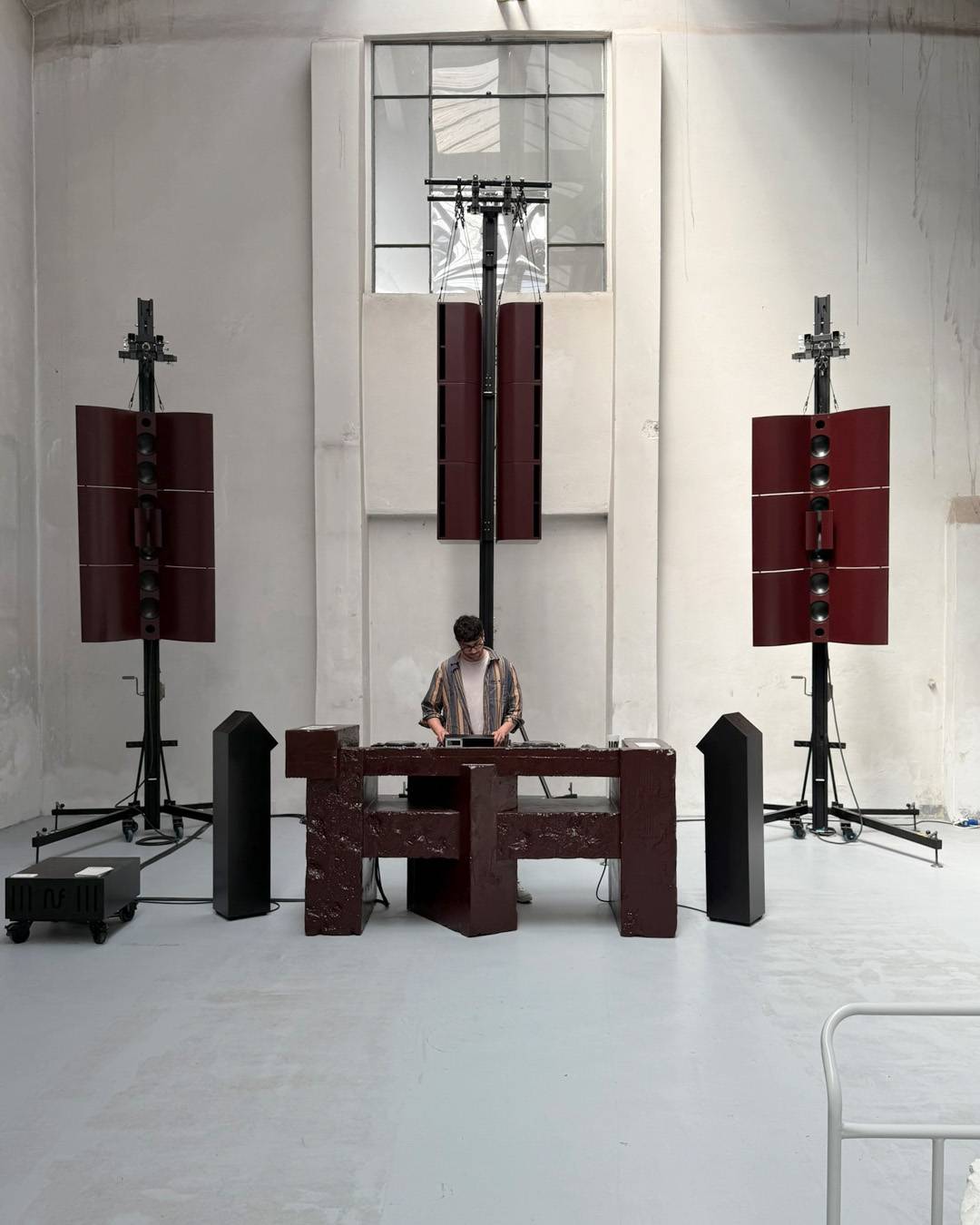
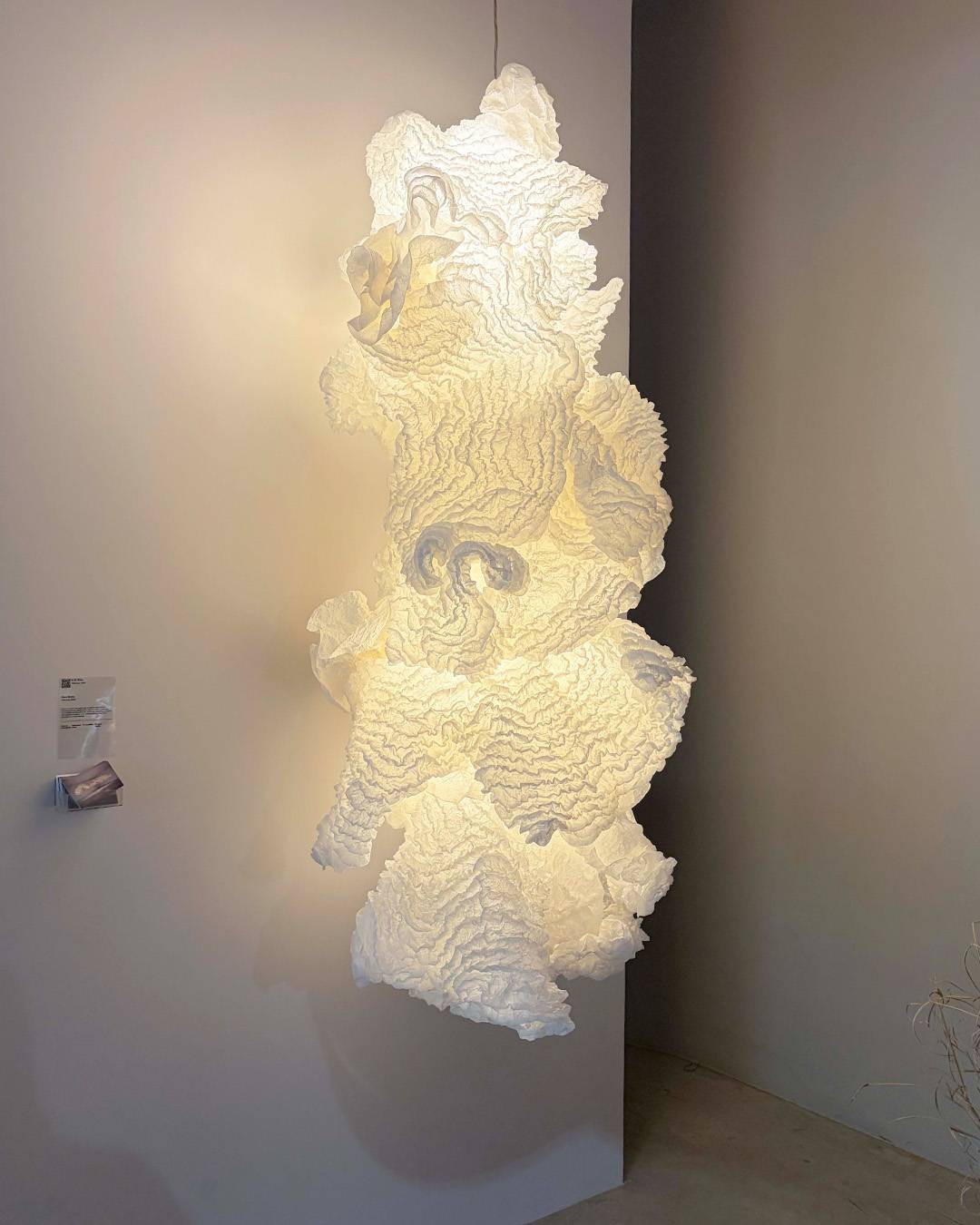
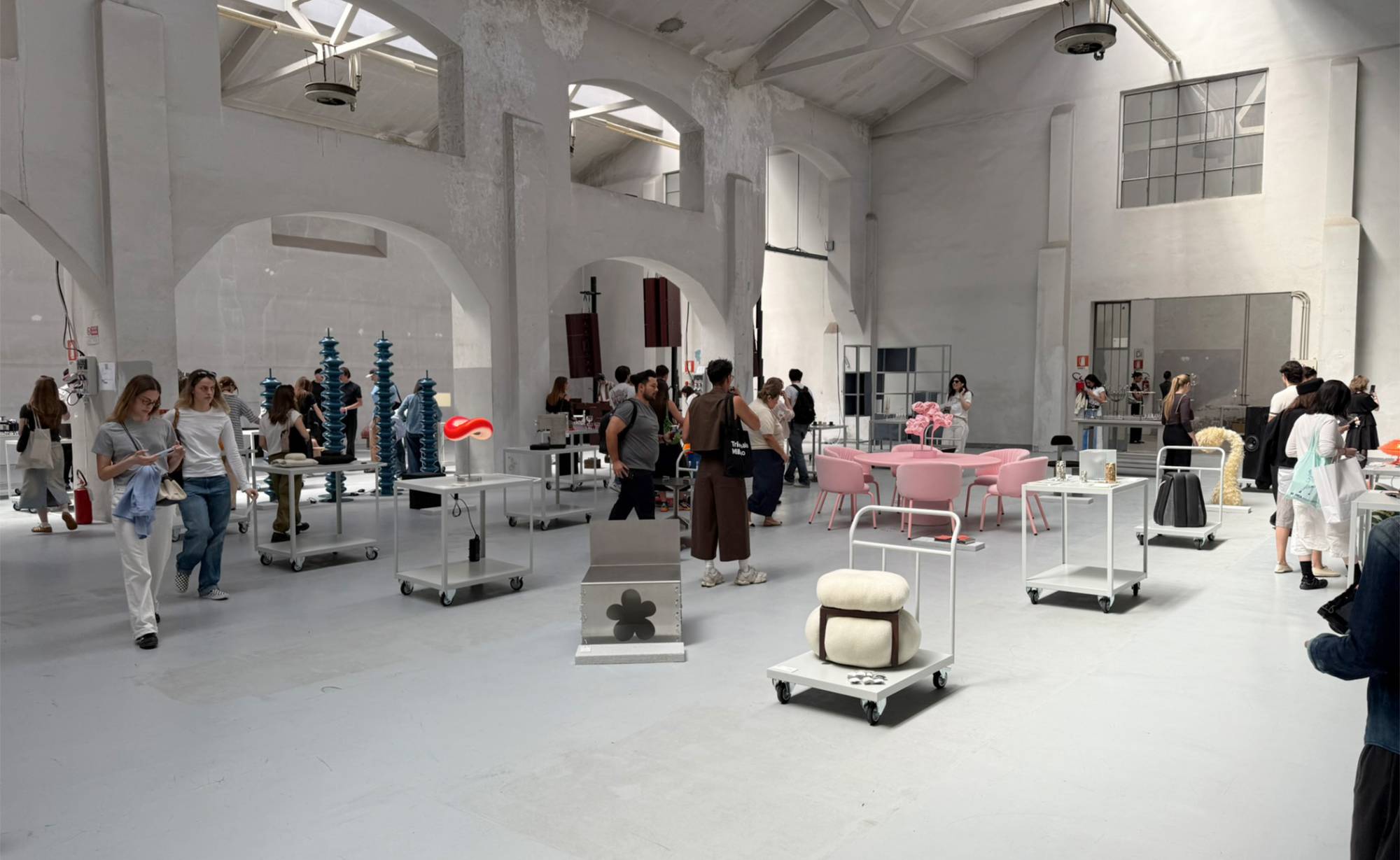
We saw a revival of loudspeakers as sculptural, eye-catching objects - no longer hidden, but celebrated. The same goes for custom-made ceiling lighting, designed to define atmosphere and identity.
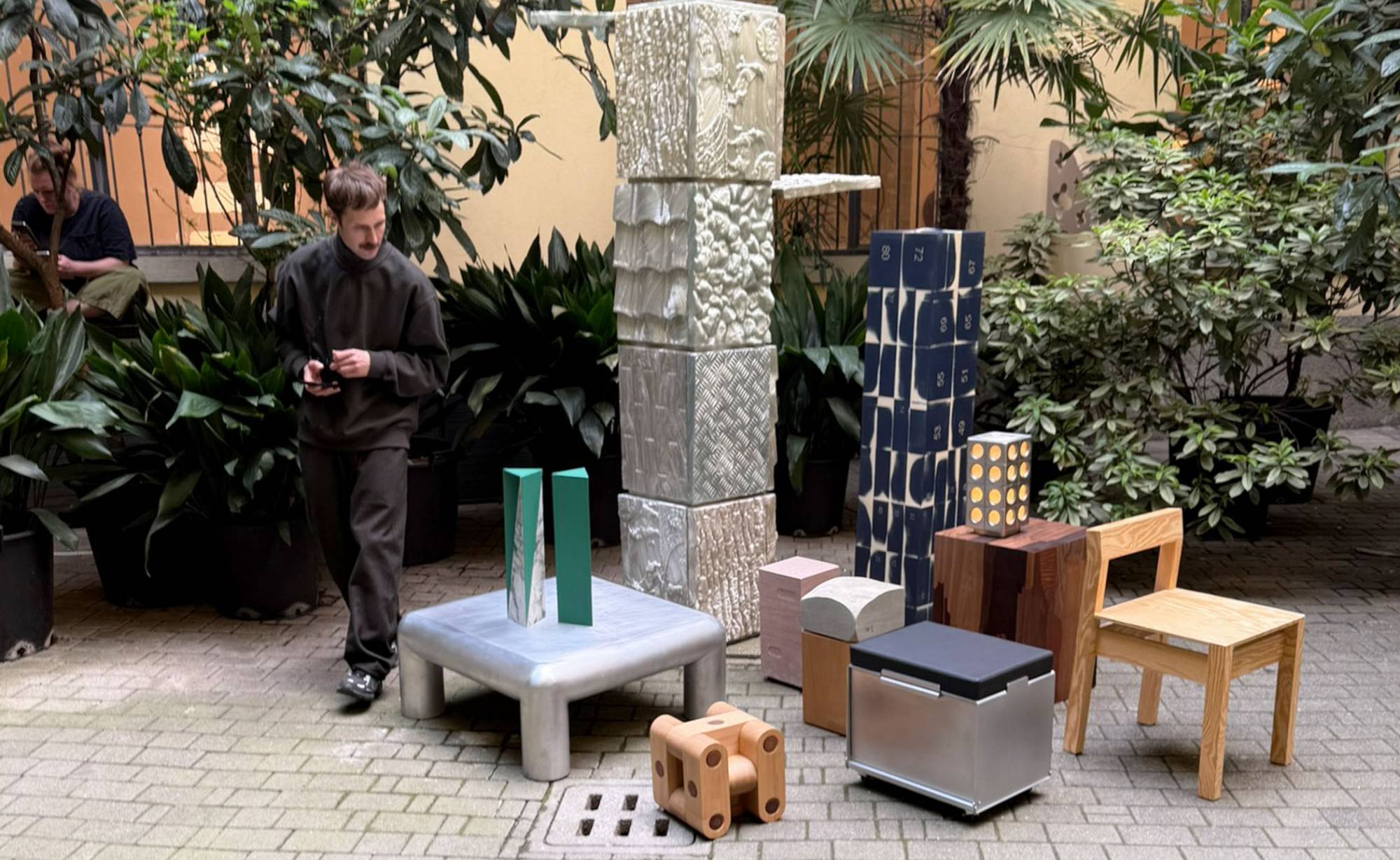
Contrasts in materials and perception
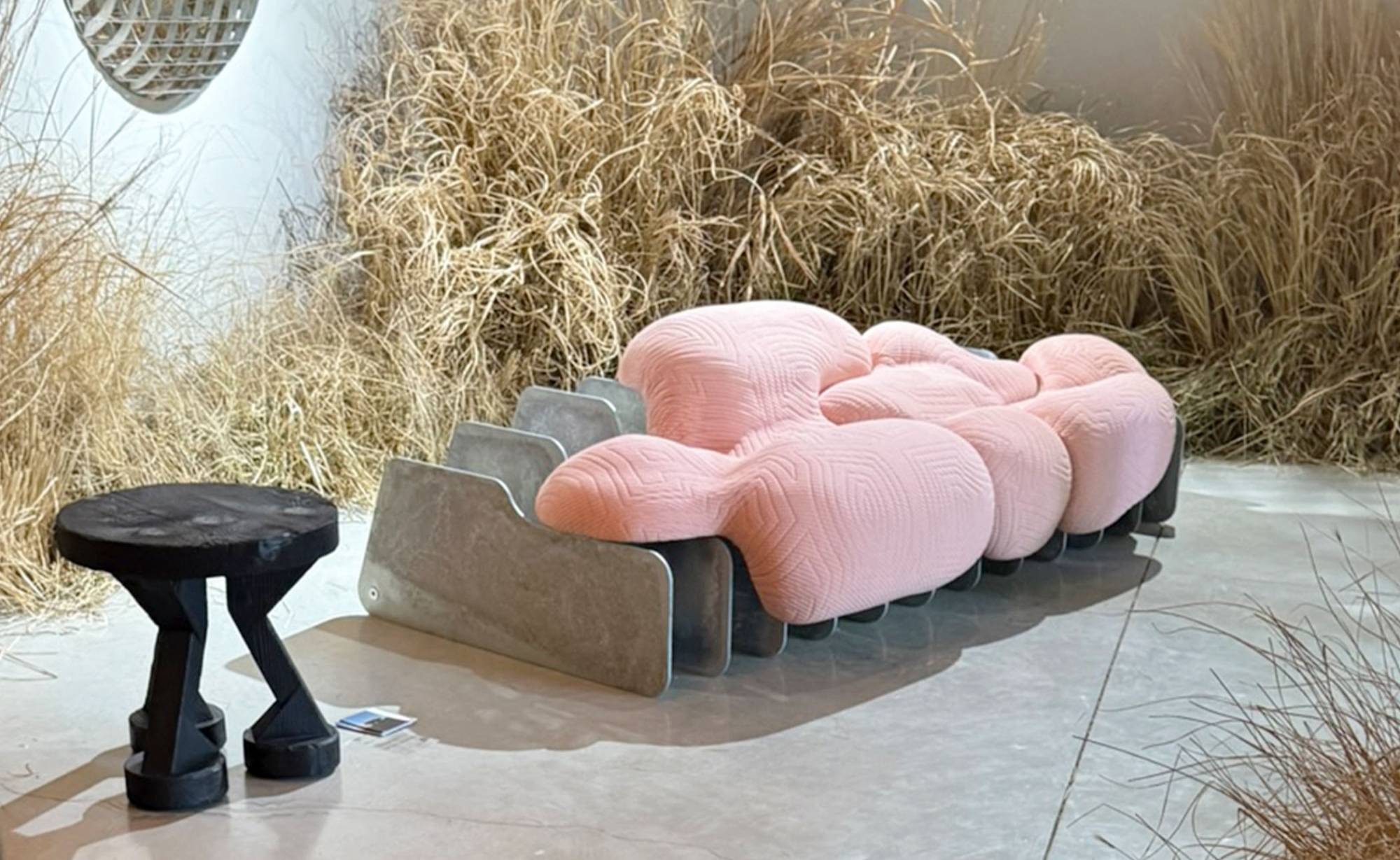
A clear trend was the use of contrasting materials, where inexpensive materials such as plastic and industrial composites were combined with more exclusive elements like stone, polished steel, and refined finishes. This interplay between low-cost and luxury materials created a striking visual tension that helped elevate the presentation of the products.
Blending past and future
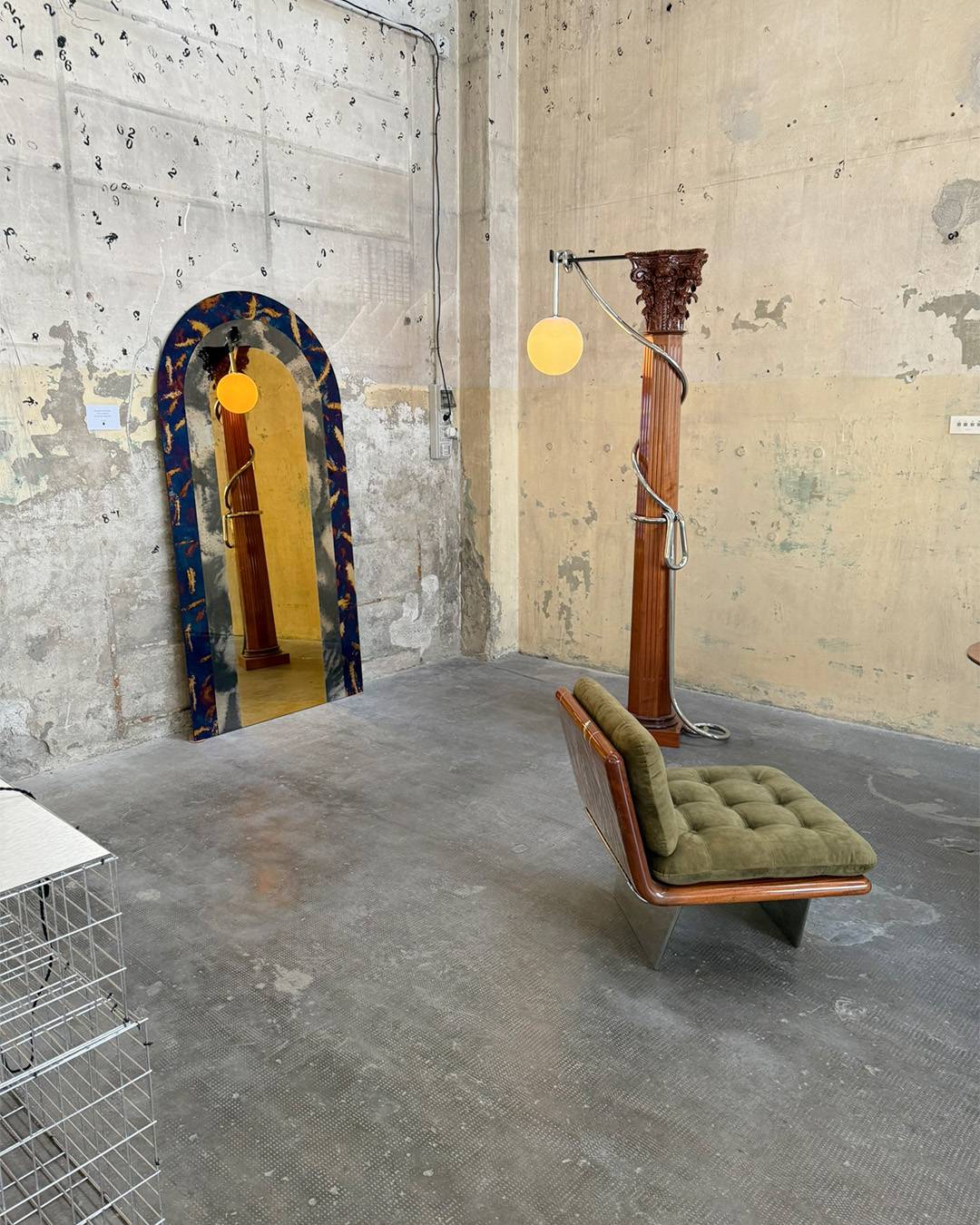
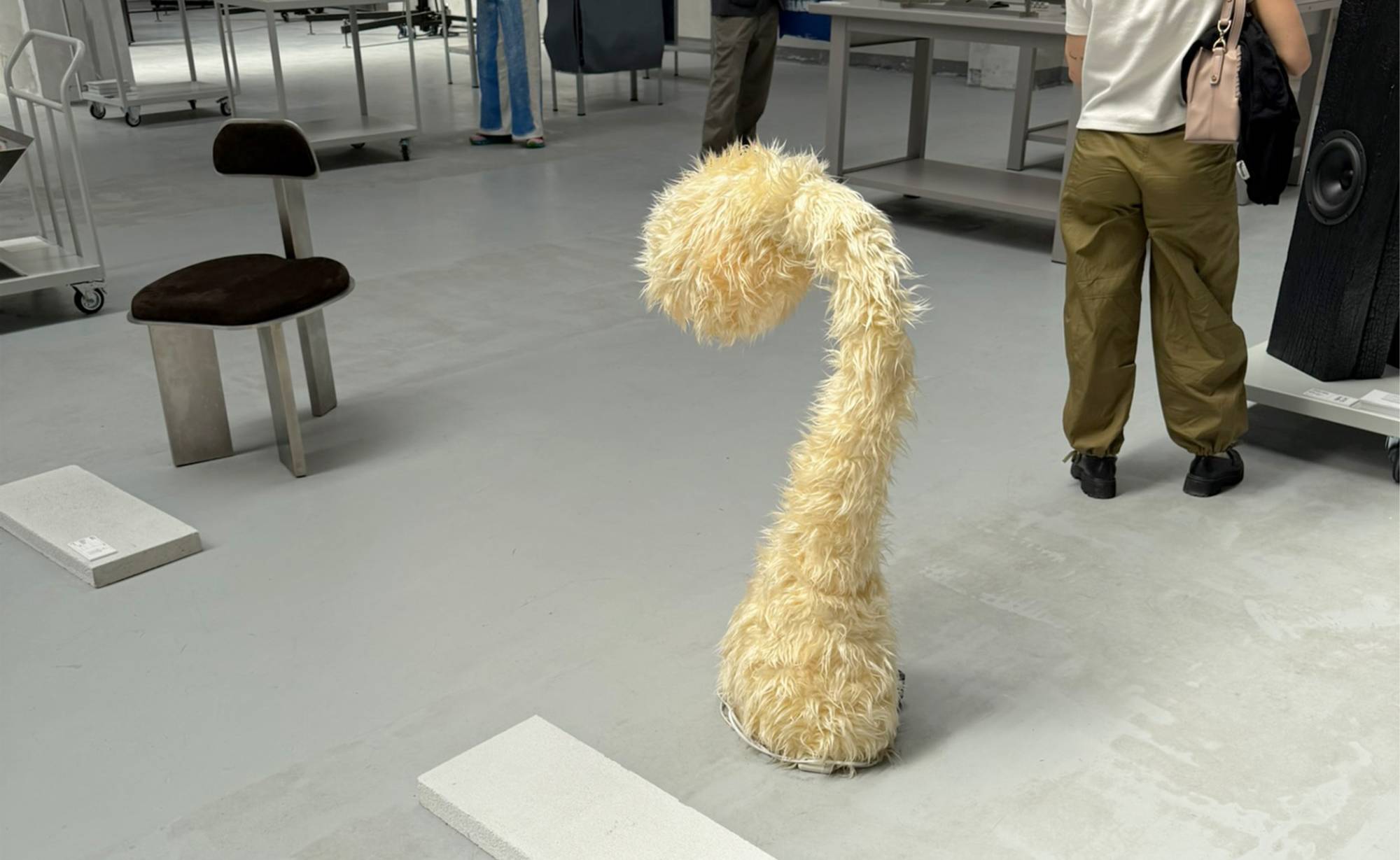
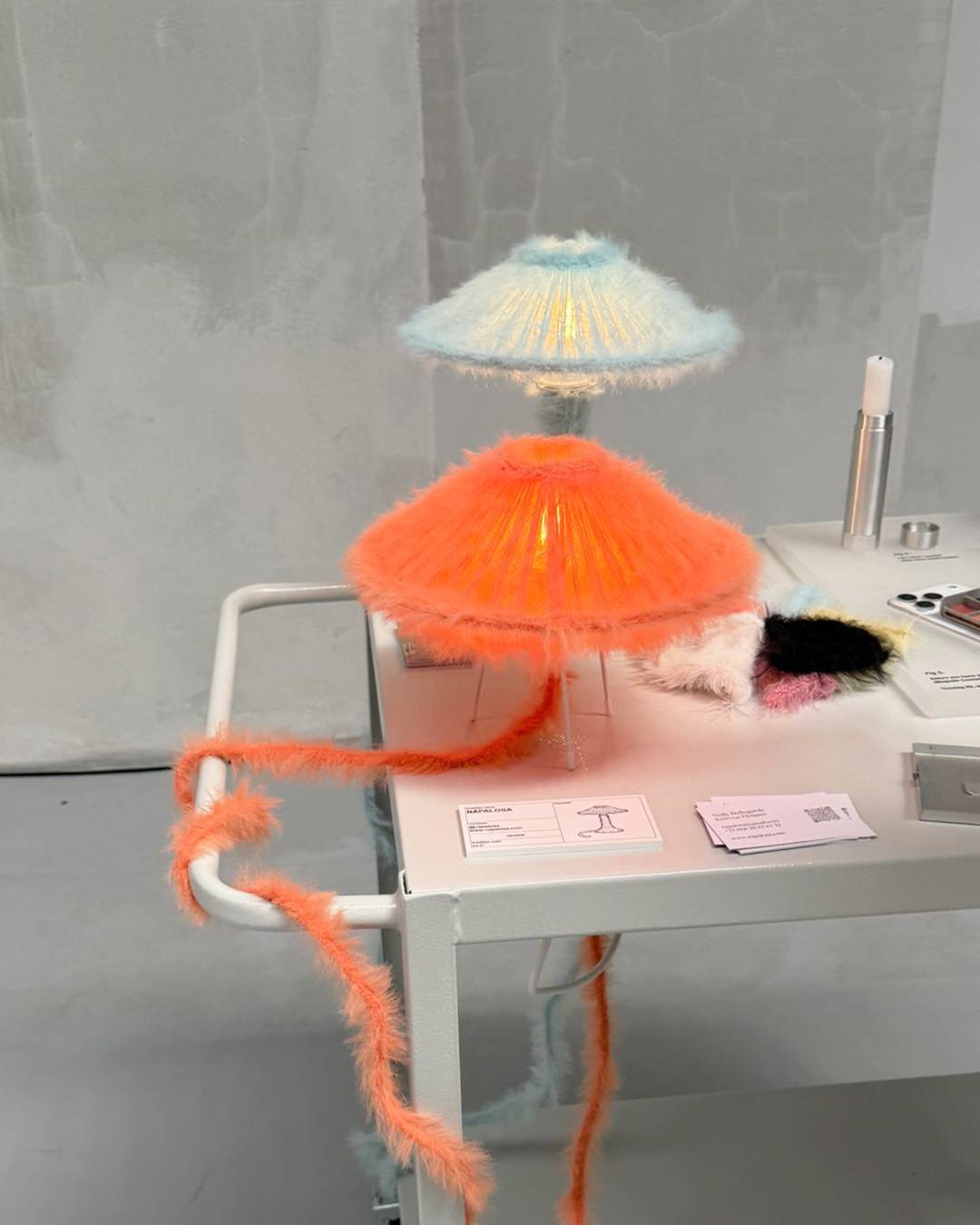
Romantic, gothic, and seventies-inspired aesthetics are being reinterpreted through futuristic lenses and modern production techniques. The result is layered, emotional, and unexpected.
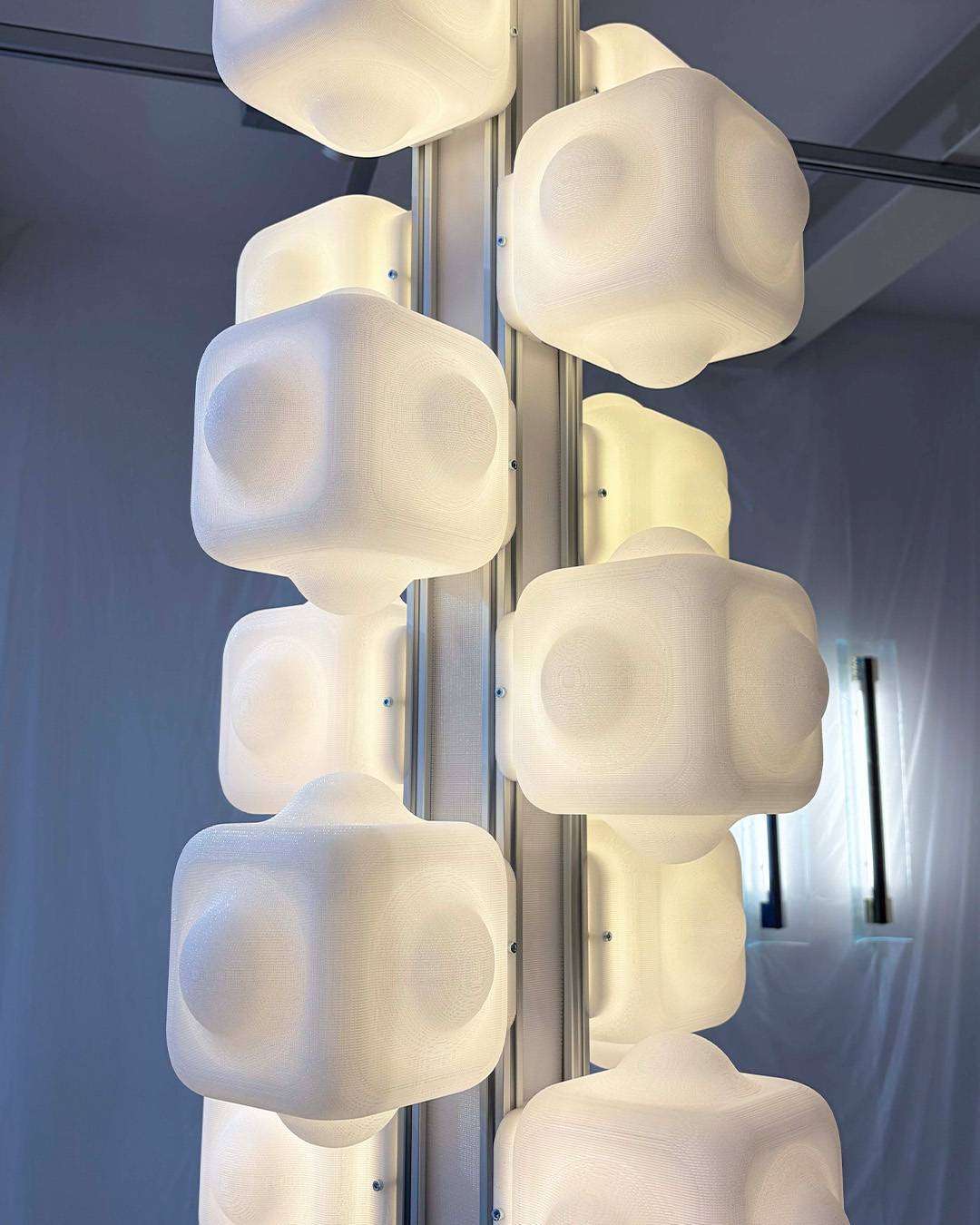
3D printing at scale
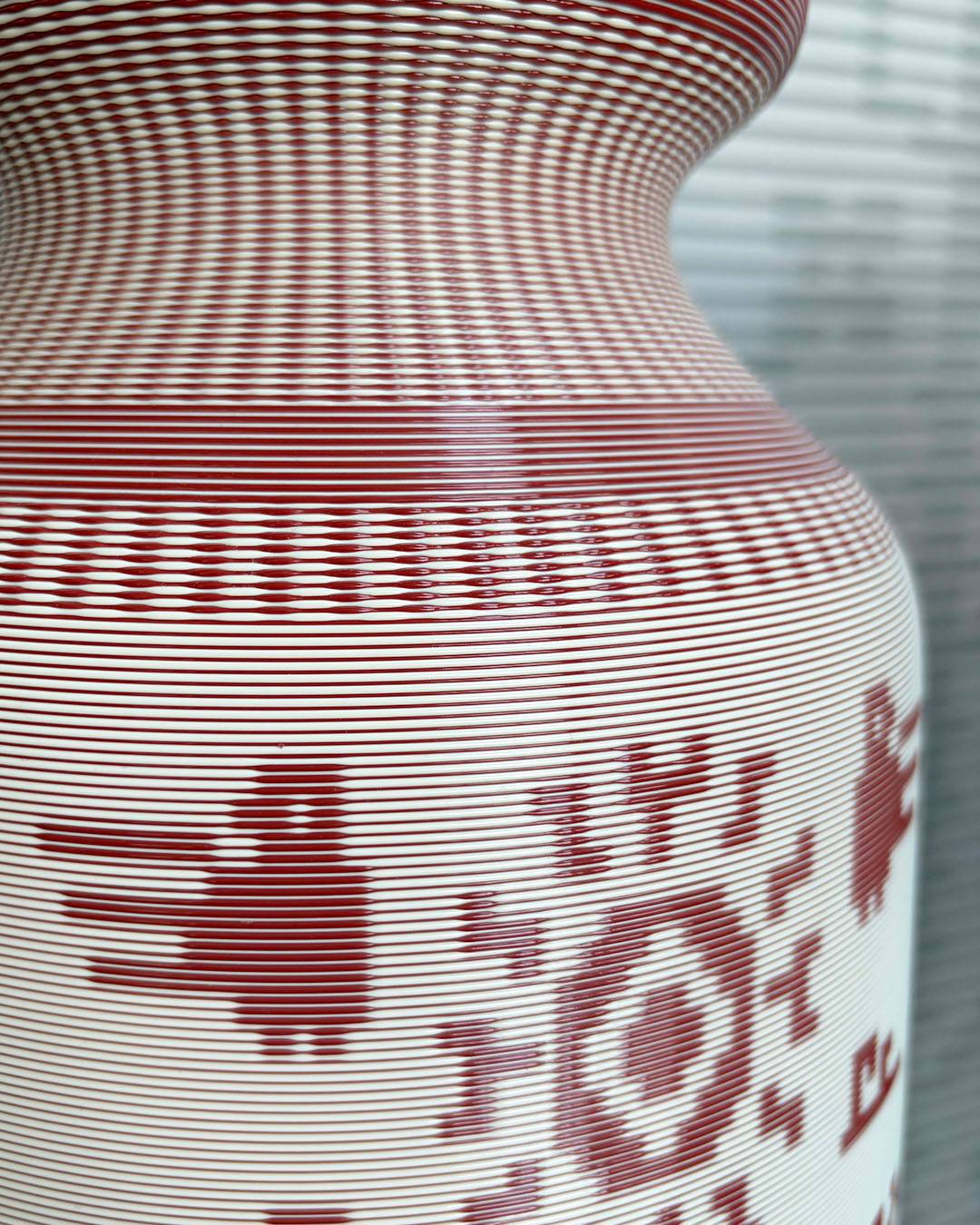
3D printing is moving beyond prototyping into large-scale applications. Two-colour prints and even textile-like finishes are opening new doors for materiality, flexibility, and storytelling in physical spaces.
Overall
Milan showed us that strong retail design is about balance: combining technology with physical experience, blending past references with contemporary production methods, and keeping spaces both simple and detailed at the same time. We’re excited to bring these insights into our ongoing projects and continue shaping retail spaces that feel both relevant and memorable.